
 Facebook
 X
 Pinterest
 Copy Link
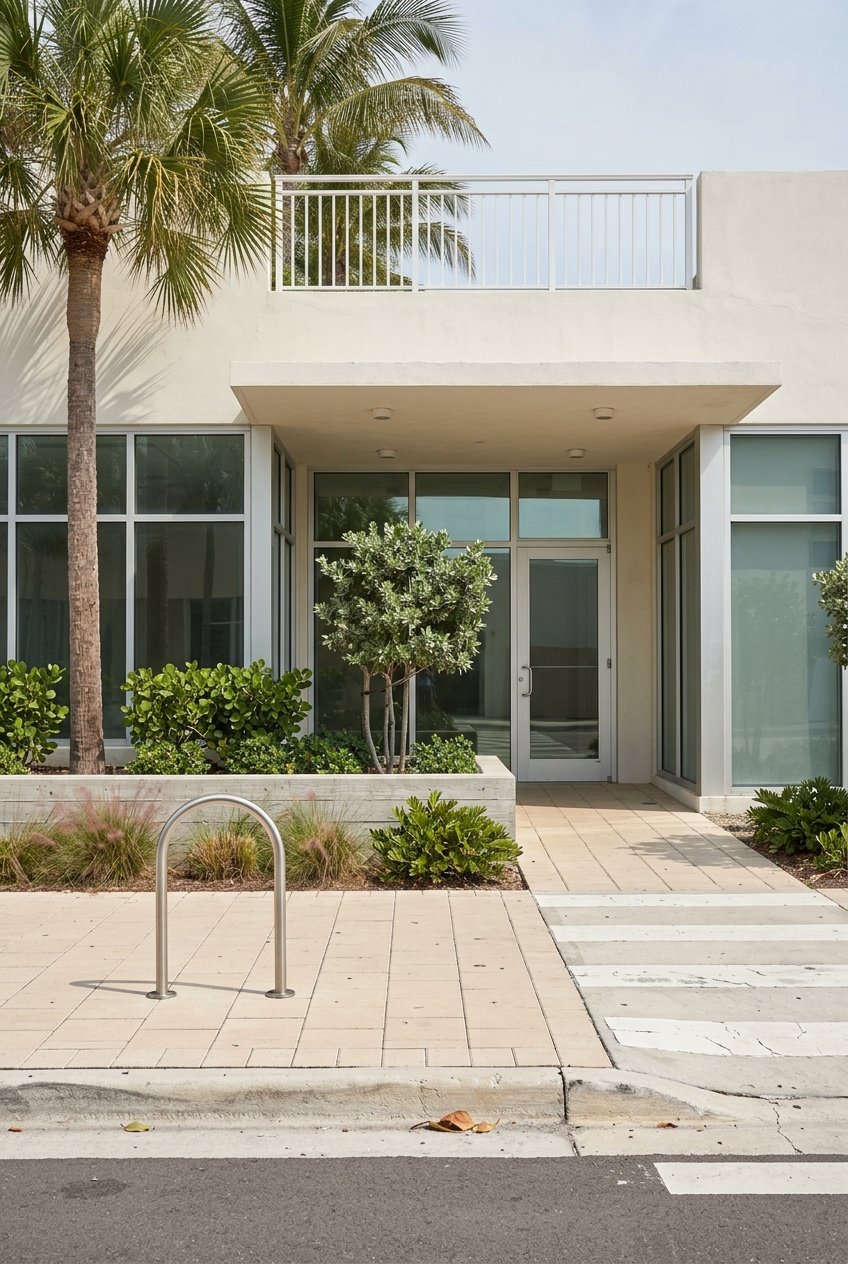
There’s a certain kind of morning in Pompano Beach that makes car keys feel optional. You step out of your building into warm air, the ocean is a short walk east, and coffee is closer than the parking garage. For a growing number of buyers, that ease is the point. They are not just shopping for square footage or a view; they are shopping for a daily rhythm where errands, the beach, and dinner do not all require getting behind the wheel.
Pompano Beach is not a single walkable neighborhood. It is a string of distinct pockets, each with its own trade-offs. Some put you steps from the sand but farther from a grocery store. Others put you near shops and restaurants but ask for a bike ride or a short drive to the beach. Understanding those differences matters more than any single walk score, because the right choice depends on how you actually live: how often you cook, whether you work from home, how much you value quiet streets, and how comfortable you are trading a little space for a lot of convenience.
What “Walkable” Actually Means In Pompano Beach
Walkability is often reduced to a number, but in Pompano Beach it is better understood as a set of practical questions. Can you walk to coffee in the morning without crossing a six-lane road? Is there a grocery store within a comfortable distance, or only a convenience store? Can you reach the beach on foot, and is the route pleasant in July heat? Is there a sidewalk the whole way, and is it lit at night?
The answers change block by block. Along the beachfront, the promenade and the streets immediately west of A1A are genuinely pedestrian-friendly: wide sidewalks, crosswalks, and a steady flow of people on foot. A few blocks inland, the picture shifts. Some streets have sidewalks on only one side, and some stretches of Federal Highway feel built for cars first. A condo that looks close to everything on a map can feel very different once you walk the route at 8 a.m. on a weekday.
The Beachfront Core: Atlantic Boulevard To The Pier
The most walkable pocket in Pompano Beach is the beachfront core around Atlantic Boulevard and the fishing pier. Here, the essentials of a car-light day are within a short stroll: the beach, the pier, restaurants, and the oceanfront promenade. Mornings belong to walkers, runners, and swimmers, and evenings bring a steady crowd to the restaurants along the waterfront.
Living here means accepting a few trade-offs. Buildings closest to the sand command the highest prices, and parking for visitors can be tight on weekends. The streets are livelier, which some buyers love and others find noisy, especially during spring break and holiday weekends. But if your priority is stepping out your door and being at the beach in minutes, this is the pocket that delivers it most completely.
For buyers comparing buildings, the practical questions are specific: How far is the walk to the beach access point, not just to the sand? Is there a grocery option within a ten-minute walk, or will you rely on delivery? Is the building’s parking garage easy to get in and out of for the trips you will still make by car? The answers, more than the view, determine whether the lifestyle sticks.
Harbor Village And The Intracoastal Side
West of the beachfront, the Intracoastal side around Harbor Village offers a different kind of walkability. The streets here are quieter, the waterfront is the Intracoastal Waterway rather than the ocean, and the dining scene is concentrated in a small, walkable cluster. It suits buyers who want water views and a village feel without the foot traffic of the beachfront.
The trade-off is distance. The beach is a bike ride or a short drive rather than a walk, and the grocery options are more spread out. Many residents here use a mix: walk for dinner and coffee, drive for the weekly shop, bike to the beach. It is car-light rather than car-free, and for a lot of buyers that is the sweet spot: the car stays parked most days, but it is there when needed.
Cypress Harbor And The Neighborhoods West Of Federal Highway
Farther west, neighborhoods like Cypress Harbor trade walkability for space and quiet. The streets are residential, the lots are larger, and the pace is slower. You can walk your dog around the block and enjoy the neighborhood, but the coffee shop and the grocery store are a drive away. For buyers who work from home and value a yard, a pool, and privacy over a stroll to dinner, that trade can be exactly right.
The key is honesty about your habits. If you picture yourself walking to dinner three nights a week, a home west of Federal Highway will frustrate you. If you picture yourself cooking at home, driving to the beach on weekends, and enjoying a quiet street, it will feel like a good fit. The mistake is buying for a lifestyle you admire in theory rather than the one you live in practice.
What A Walkable Day Actually Looks Like
A car-light day in Pompano Beach might start with a walk to the beach for a swim, followed by coffee at a café on Atlantic Boulevard. Midday errands might mean a short walk to a market or a pharmacy, and the afternoon might be a bike ride along the Intracoastal. Dinner could be a walk to a restaurant on the waterfront, with the car staying in the garage the whole day.
The infrastructure that makes that day possible is easy to overlook: sidewalks, shade, crosswalks, and lighting. Pompano Beach has invested in its beachfront promenade and in the streets around Atlantic Boulevard, and the difference is visible. In other pockets, the infrastructure is thinner, and the walk feels less inviting. When you tour a property, walk the route yourself. Check the sidewalk, the shade, and the crossing at the busiest intersection. That ten-minute walk will tell you more than any listing description.
The Costs Of Going Car-Light
Going car-light is not free. Buildings in the most walkable pockets tend to cost more per square foot, and their HOA fees can be higher, reflecting amenities like pools, fitness centers, and waterfront access. Parking spaces, when they are deeded separately, can add to the price. And if you do keep a car, insurance and maintenance costs do not disappear just because you drive less.
On the other side, the savings are real. Fewer miles mean less fuel, less wear, and in some cases the ability to drop from two cars to one. For a household that can make that shift, the annual savings can be several thousand dollars, which can offset a meaningful share of the premium for a walkable location. The math is personal, but it is worth doing before you buy, not after.
Who The Walkable Lifestyle Fits — And Who It Doesn’t
The walkable lifestyle fits buyers who enjoy being out and about, who like the energy of a beachfront neighborhood, and who are comfortable with a smaller footprint in exchange for location. It fits remote workers who want a change of scenery at lunch, retirees who want to stay active without driving everywhere, and second-home owners who want to land at the airport, take a rideshare to their condo, and not think about a car until they leave.
It fits less well for buyers who need a large yard, who have multiple cars, who work in a location that is not easily reached by public transit or rideshare, or who simply prefer quiet streets to lively ones. It also fits less well for families who need to drive children to school and activities every day. None of that makes the beachfront a bad choice, but it does make it a choice to make with eyes open.
How To Test A Neighborhood Before You Buy
The most reliable way to know if a walkable pocket fits is to spend a day in it on foot. Stay overnight if you can, and walk the routes you would actually use: to the beach, to coffee, to the grocery store, to dinner. Do it in the morning and in the evening, and in the heat of the afternoon if you can. Notice the shade, the sidewalks, the crossings, and how you feel at the end of the day.
Talk to residents too. Ask how often they use their car, where they shop, and what they wish were closer. Their answers will be more useful than any walk score. And if you are comparing two buildings, walk between them. The distance that looks trivial on a map can feel very different on foot, especially with groceries in hand.
FAQs
Is Pompano Beach walkable without a car?
Parts of it are, especially the beachfront core around Atlantic Boulevard and the pier, where the beach, restaurants, and the promenade are within a short walk. Other pockets are better described as car-light: you can walk for some errands but will still want a car for groceries and the beach. The right pocket depends on how you live day to day.
Can I live in Pompano Beach without owning a car?
It is possible in the beachfront core, especially if you are comfortable using rideshare, delivery, and the local bus or trolley for longer trips. Most residents keep at least one car, even if they use it less than they did elsewhere, because the beach, the airport, and some errands are easier with one.
What is the most walkable part of Pompano Beach?
The beachfront around Atlantic Boulevard and the fishing pier is the most walkable, with the beach, the promenade, and restaurants close together. Harbor Village offers a quieter, village-style walkability on the Intracoastal side, while neighborhoods west of Federal Highway are more car-dependent.
Is the beachfront noisy?
It can be, especially on weekends and during holidays, when the restaurants and the promenade draw crowds. Buildings set back a block or two, or with units facing away from Atlantic Boulevard, tend to be quieter. Visiting at different times of day before you buy is the best way to judge it for yourself.
Do walkable condos cost more?
Generally, yes. Condos closest to the beach and the most walkable streets command higher prices per square foot and often carry higher HOA fees. The premium reflects the location and the amenities, and for many buyers the savings from driving less offset part of it.


