WILDCARDS • May 14, 2026

Renovate Before Selling a Hillsboro Beach Condo?

If your Hillsboro Beach condo needs a little love, you may be wondering whether renovating before you sell will help you earn more or simply spend more. That is a smart question, especially in a condo market where buyers have choices and building-level issues can matter just as much as your unit’s finishes. In this guide, you’ll learn when updates can help, when they may not pay off, and how to focus your budget where it counts most. Let’s dive in.

WHY THIS DECISION MATTERS IN HILLSBORO BEACH

Hillsboro Beach is currently a buyer’s market, which means your condo is likely competing against a healthy amount of inventory. March 2026 data from Realtor.com showed homes selling for 12.66% below asking on average, with a median 85 days on market and an 87% sale-to-list ratio. MIAMI REALTORS also reported 13.9 months of supply for Broward condo and townhome listings in Q1 2026, along with a median 171 days to contract and Hillsboro Beach condo and townhome sales receiving 87.4% of original list price.

In plain terms, buyers have leverage. That makes presentation important, but it also means you should be careful about pouring money into a big remodel that may be hard to recover at closing.

WHY THE BUILDING MAY MATTER MORE

In Hillsboro Beach, many condos are older, and that changes the renovation conversation. MIAMI REALTORS reported that 86% of Broward County condos and townhomes were 30 years old or older as of 2024. For many buyers, questions about the building itself are front and center.

Under Florida Statutes 553.899, condo buildings that are three stories or more must complete milestone inspections at 30 years of age and every 10 years after that. Local enforcement agencies can require the first inspection at 25 years in some cases, including buildings near salt water. In a coastal area like Hillsboro Beach, that can directly affect how buyers view risk.

Florida condominium law also requires a structural integrity reserve study, or SIRS, for residential condo buildings three stories or higher. That study covers major components such as the roof, structure, fire protection systems, plumbing, electrical systems, waterproofing and exterior painting, windows and exterior doors, plus other significant items that could affect those systems. For budgets adopted on or after December 31, 2024, qualifying associations cannot simply waive or underfund those required reserves.

That means buyers may look closely at reserve funding, inspection status, repair plans, and any potential assessments before they focus on your countertops or cabinet style. A beautiful interior can help your condo compete, but it does not cancel out building concerns.

SO, SHOULD YOU RENOVATE BEFORE SELLING?

For most Hillsboro Beach condo sellers, the strongest case is for a selective refresh, not a full renovation. Smaller, visible improvements can help your condo show better and feel move-in ready. A major cosmetic overhaul is usually riskier in a slower market where buyers already have negotiating power.

The right answer depends on two things:

  • Your unit’s condition compared with nearby competition
  • Your building’s financial and structural picture

If your condo looks clearly dated next to similar active listings, modest updates may help it stand out. If your association has unresolved reserve, repair, or milestone inspection questions, spending heavily inside your unit may not be the best use of money.

UPDATES THAT TEND TO MAKE SENSE

National remodeling research supports a practical approach. NAR’s 2025 Remodeling Impact Report found that REALTORS most often recommended painting before listing, and buyers showed strong interest in kitchen upgrades and bathroom renovations. At the same time, estimated cost recovery was moderate, not spectacular: about 60% for a complete kitchen renovation, 60% for a minor kitchen upgrade, and 50% for a bathroom renovation.

That is a helpful reality check. Even attractive updates may not return every dollar you spend, so your goal should be to improve marketability, not chase perfection.

FOCUS ON VISIBLE, LOWER-RISK IMPROVEMENTS

The most defensible pre-listing updates for a Hillsboro Beach condo are usually:

  • Fresh neutral paint
  • Deep cleaning
  • Decluttering
  • Minor repairs
  • Replacing worn hardware or outdated light fixtures
  • Selective flooring fixes if the floors are visibly worn or distracting
  • Professional staging and photography

These updates improve first impressions without pushing you too far into over-improvement.

BE CAUTIOUS WITH KITCHENS AND BATHS

A modest kitchen or bath refresh can make sense if your condo is noticeably behind comparable units in the same building or nearby. Think surface-level improvements that modernize the look without turning the sale into a full construction project.

A full gut renovation is harder to justify in today’s local condo market. If buyers are already negotiating heavily, you may not get enough of that money back.

STAGING MAY DO MORE THAN REMODELING

If you have a limited budget, staging and presentation may offer a better payoff than a major renovation. NAR’s 2025 Profile of Home Staging found that 29% of agents said staging increased the dollar value offered by 1% to 10%, and 49% said staging reduced time on market.

That matters in a market where condos can sit for months. Buyers’ agents also ranked the living room, primary bedroom, and kitchen as the most important rooms to stage.

NAR also found that the most common seller prep recommendations were:

  • Decluttering
  • Full-home cleaning
  • Improving curb appeal

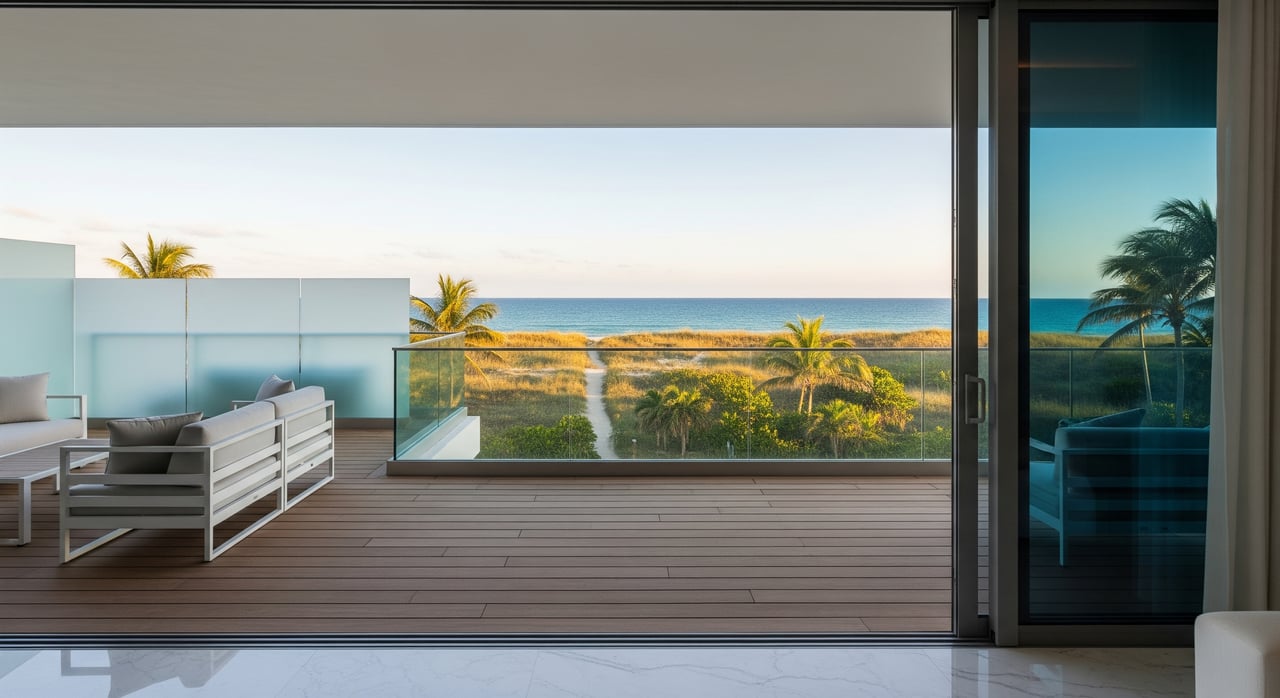
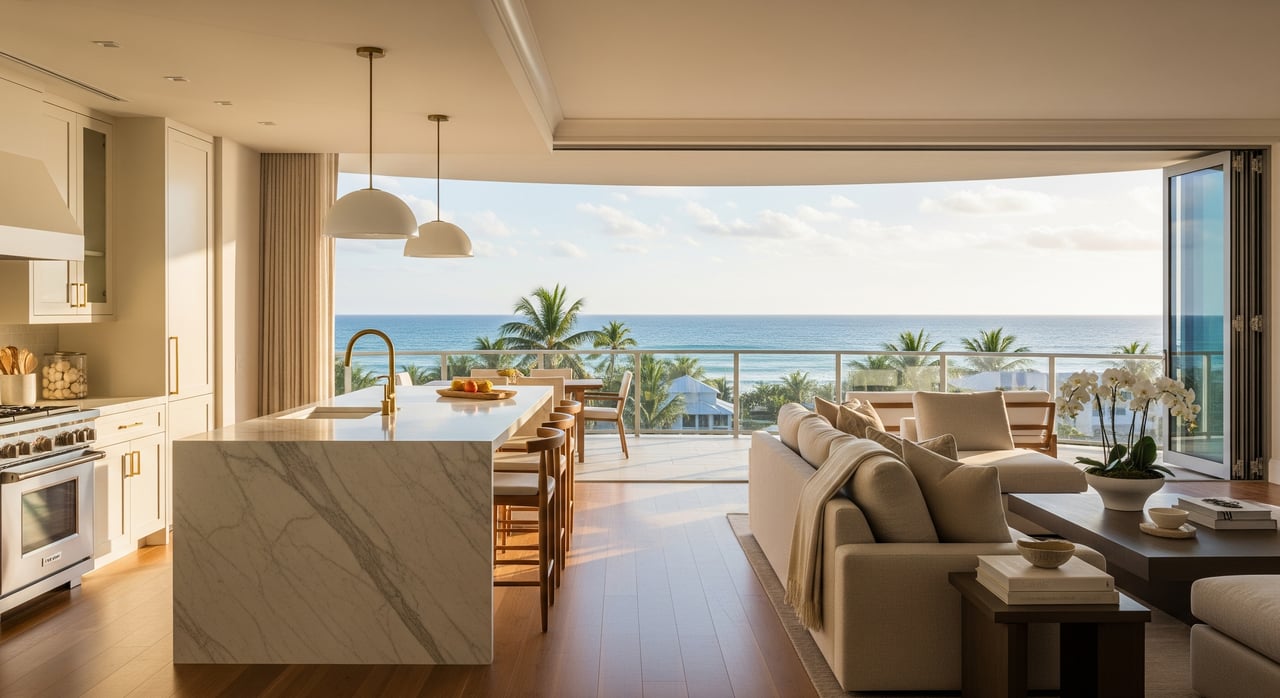
For a condo, “curb appeal” often translates into the impression buyers get from the lobby, common areas, balcony, entry, and overall presentation of the unit. Clean lines, open space, and a bright coastal feel can go a long way.

WHEN RENOVATING MORE MAY BE WORTH IT

There are situations where a larger refresh can make sense. You may want to do more if:

  • Your condo is clearly dated compared with active competition
  • Similar renovated units are setting the standard in your building
  • Your association documents show stable reserves and no obvious looming assessment
  • The updates are targeted and likely to improve buyer perception quickly

In that case, a smart strategy might include paint, lighting, minor kitchen improvements, bathroom touch-ups, and polished staging. The key is to match the market, not overshoot it.

WHEN RENOVATING LESS IS THE BETTER MOVE

In many Hillsboro Beach condo sales, restraint is the smarter strategy. You may want to avoid major discretionary renovations if:

  • Your building has unanswered milestone inspection questions
  • Buyers may be concerned about reserve funding
  • A special assessment is possible or already under discussion
  • Your condo would still face price pressure because of building-level concerns
  • The local competition and market pace make full cost recovery unlikely

Florida’s 2025 condo-reform updates also gave buyers more time to review association information in certain transactions, extending the nondeveloper buyer rescission period from 3 days to 7 days. The law also allows associations, with majority approval, to fund required reserves through options such as special assessments, lines of credit, or loans. In practice, that means buyers may take an even closer look at the building’s financial and repair picture.

If those issues are part of your sale, your money may be better spent on smart pricing, strong documentation, and presentation rather than a luxury remodel.

A PRACTICAL PREP PLAN BEFORE LISTING

If you want the clearest path forward, start with the basics and work up only as needed. For most sellers, this order makes sense:

  1. Gather building documents early so you understand reserves, inspection status, and any repair discussions.
  2. Deep clean the condo so every surface feels cared for.
  3. Declutter and simplify to make rooms feel larger and brighter.
  4. Paint in a neutral color if walls are dark, bold, or visibly marked up.
  5. Handle minor repairs like loose hardware, scuffed trim, sticking doors, or worn caulk.
  6. Update small fixtures selectively if they make the unit feel noticeably dated.
  7. Stage key rooms like the living room, primary bedroom, and kitchen.
  8. Use polished photography and marketing to create a strong first impression online.

This approach supports what buyers notice first while keeping your spending grounded.

PRICING AND PRESENTATION SHOULD WORK TOGETHER

Even a nicely updated condo still needs a realistic pricing strategy in this market. With long marketing times and meaningful discounts from original list price, pricing too high can make your condo sit while newer listings get the early attention.

That is why presentation and pricing should be treated as a team. A refreshed, well-staged condo priced in line with today’s market is usually in a stronger position than an over-renovated unit priced above buyer expectations.

THE BOTTOM LINE FOR HILLSBORO BEACH SELLERS

If you are selling a condo in Hillsboro Beach, you do not always need a major renovation to compete well. In most cases, cleaning, decluttering, neutral paint, minor repairs, staging, and strong marketing are the safest and most effective steps.

A larger update may be worth considering if your unit is clearly dated and your building’s reserves and inspection picture are solid. But if buyers are likely to focus on association finances, milestone inspections, or future assessments, it often makes more sense to avoid overcapitalizing and let pricing, documentation, and presentation do the heavy lifting.

If you want help deciding what is worth doing before you list, Patti Davila PA offers concierge-level guidance, strong presentation strategy, and responsive local support for coastal Broward condo sellers.

FAQS

SHOULD YOU RENOVATE A HILLSBORO BEACH CONDO BEFORE SELLING IN A BUYER’S MARKET? Usually, a selective refresh is the safer choice. In a buyer’s market, smaller cosmetic updates and strong presentation are often easier to justify than a full renovation.

WHAT CONDO UPDATES USUALLY HELP MOST BEFORE SELLING IN HILLSBORO BEACH? The most practical updates are deep cleaning, decluttering, neutral paint, minor repairs, selective fixture updates, staging, and professional photography.

DO KITCHEN AND BATHROOM REMODELS PAY OFF WHEN SELLING A HILLSBORO BEACH CONDO? They can help with buyer appeal, but research cited here shows moderate cost recovery, not full payback. That is why minor or targeted updates are often safer than major remodels.

WHY DO BUILDING RESERVES AND INSPECTIONS MATTER WHEN SELLING A HILLSBORO BEACH CONDO? Buyers may review milestone inspection status, reserve funding, and repair planning closely, especially in older coastal buildings. Those building-level factors can affect your sale as much as the interior condition of your unit.

WHEN IS A BIGGER RENOVATION WORTH CONSIDERING BEFORE LISTING A HILLSBORO BEACH CONDO? A larger refresh may make sense if your unit is clearly dated, renovated comparables are competing nearby, and your building shows a stable financial and structural picture.

WHAT IS THE BEST PRE-LISTING PLAN FOR A HILLSBORO BEACH CONDO SELLER? Start with documents, then clean, declutter, repaint if needed, make minor repairs, update small details, stage key rooms, and use polished listing photos and marketing.
WILDCARDS • May 7, 2026

Pompano Beach Condo Association Rules: What to Know

Buying or selling a condo in Pompano Beach can feel simple until the association documents land in your inbox. Monthly fees, reserve studies, rental rules, inspections, and approval steps can change how you view a property in a hurry. The good news is that once you know what to look for, condo associations become much easier to navigate. Let’s dive in.

Why Condo Associations Matter

In Pompano Beach, a condo association does much more than collect monthly fees. Under Florida law, associations are governed by Chapter 718 and by their own recorded declaration, bylaws, and rules. Those documents shape how the property is run, what owners can and cannot do, how assessments are handled, and how the board enforces rules.

That means your condo lifestyle and your financial obligations are tied not just to the unit, but also to the association behind it. If you are buying, you need to understand the building as carefully as you evaluate the condo itself. If you are selling, being prepared with the right documents can help your transaction move more smoothly.

What Makes Pompano Beach Condo Buying Unique

Pompano Beach has an extra local factor that buyers should take seriously, especially near the coast. The city points owners to Broward County’s Building Safety Inspection Program, which applies to buildings and structures that are 25 years or older and requires repeat inspections every 10 years.

Florida’s state milestone inspection law also matters. It applies to buildings with three or more habitable stories at 30 years, but in coastal or salt-water areas, the first inspection can be required at 25 years by the local enforcement agency. In practice, that means a building’s age, inspection history, and repair timeline may matter just as much as the monthly condo fee.

Why Older Buildings Deserve Closer Review

An older coastal building is not automatically a problem. But it does mean you should pay close attention to inspection summaries, repair plans, and reserve funding. If major work is coming, that can affect both your budget and your timeline.

For sellers, this is also important. A buyer who understands the building’s inspection status early is less likely to be surprised later. Clear information often leads to stronger confidence.

How to Read Monthly Condo Fees

A monthly fee is only part of the story. Florida requires condo boards to adopt a detailed annual budget and give at least 14 days’ notice before the budget meeting. That budget helps show where the money is going, including common expenses, reserves, and other planned costs.

A fee that looks low at first glance is not always a bargain. In some cases, it can point to deferred maintenance, thin reserves, or the risk of a future special assessment. That is why you should read the budget alongside the reserve study and the building’s inspection history.

What Reserves Tell You

Reserve funds are meant to help cover major future repairs and replacement costs. In Florida, associations subject to a structural integrity reserve study must evaluate major components such as load-bearing elements, fireproofing, plumbing, electrical systems, waterproofing, exterior painting, windows, exterior doors, and other deferred-maintenance items that meet the statutory threshold.

The study must be prepared or verified by a licensed engineer, architect, certified reserve specialist, or professional reserve analyst. Affected associations had a December 31, 2025 deadline to complete the study, and owners must be notified within 45 days after completion, with the required filing sent to the state.

DBPR also notes that if the reserve funding plan and the way the association is actually funding reserves do not match, the study must be updated before the budget is adopted. Starting in 2026, inflation must also be factored into baseline costs for reserve items at or above the statutory threshold.

Special Assessments: What Buyers and Sellers Should Know

Special assessments are one of the biggest condo concerns for buyers and sellers in Pompano Beach. These charges can be used to fund repairs, reserves, or other major expenses beyond regular assessments. Whether the board or the owners approve them depends on the association’s governing documents.

Florida requires at least 14 days’ notice before a meeting where a non-emergency special assessment will be considered. Board meetings generally also require 48 hours’ posted notice. So if a building has major work pending, you will want to know whether an assessment is already approved, still being discussed, or likely to come later.

How Reserve Gaps Can Lead to Higher Costs

Reserve money can come from regular assessments, special assessments, loans, or lines of credit. For statutory reserve items, a special assessment, loan, or line of credit generally requires approval by a majority of the total voting interests.

That matters because a building can have fees that seem manageable today and still face a large future cost if reserves are not strong enough. Repeated special assessments, thin reserves, and unresolved inspection findings are all signs that deserve a closer look.

Rules on Pets, Rentals, and Use Restrictions

Many buyers assume condo rules are standard from one building to the next. In reality, pet rules, leasing limits, and other restrictions are usually driven by each association’s documents, not by one simple statewide default.

Florida’s buyer disclosure materials must summarize voting rights and unit-use restrictions, including leasing restrictions, and must also state whether there are restrictions on children and pets. That is why you should review the declaration, bylaws, rules, and FAQ sheet together.

Why Rental History Matters

If you are buying for seasonal use or investment, amendment history matters. Florida limits how retroactively certain rental amendments can apply. If an amendment prohibits renting, changes rental term length, or limits how often an owner may rent, it applies only to owners who consented to the amendment and to buyers who took title after the amendment became effective.

This is a key due-diligence point in Pompano Beach, where many buyers are considering future flexibility. If renting later is part of your plan, you need to verify the current rules and the amendment timeline before you commit.

How Associations Enforce Rules

Associations in Florida can enforce their documents through fines and suspensions. Florida allows reasonable fines for violations of the declaration, bylaws, or reasonable rules, but the fine cannot exceed $100 per violation or $1,000 in the aggregate.

Before a fine can be imposed, the owner and, when applicable, the tenant must receive 14 days’ written notice and a chance for a hearing before an independent committee. Associations may also suspend use rights for noncompliance. In short, the rules are not just suggestions, so it is important to understand them before you buy.

What to Request Before You Buy a Condo

For a Florida resale condo purchase, the seller must provide key association documents at the seller’s expense. These include the declaration, articles of incorporation, bylaws and rules, annual financial statement, annual budget, FAQ sheet, the most recent structural integrity reserve study or a statement that none has been completed, and any applicable milestone or turnover inspection summary.

These documents are not paperwork to skim. They are the best window into how the building is run, how well it is funded, and whether any major issues may affect you after closing.

Key Documents to Review Carefully

Before you move forward, ask to review:

  • The current board-approved budget
  • The reserve schedule
  • Insurance policies
  • Meeting minutes
  • The management contract
  • Open bids for work
  • Building permits
  • Structural or life-safety inspection reports

For larger associations with 25 or more units, many of these items must also be posted online within 30 days after creation or receipt. That can make it easier to compare what the association says with what the records show.

Questions Worth Asking

Here are smart questions to ask before you commit:

  • When was the most recent structural integrity reserve study completed?
  • How is the reserve funding plan being met?
  • Are there any current or proposed special assessments?
  • Who approves special assessments under the governing documents?
  • Do the declaration or amendments limit rentals, lease terms, pets, or occupancy?
  • Has the building completed any required milestone or local safety inspections?
  • Can you review the minutes, insurance information, and inspection records before waiving contingencies?

What Sellers Can Do to Stay Ahead

If you are selling a condo in Pompano Beach, association readiness can make a real difference. Buyers are paying close attention to budgets, reserves, inspection reports, and pending assessments. When those answers are organized early, your listing often feels more credible and easier to move forward with.

This is especially true for out-of-state and cross-border buyers who may be comparing several coastal condo options at once. Clear communication, quick document access, and a calm explanation of the building’s financial and inspection picture can help your unit stand out.

A Practical Broward County Check

One useful local step is reviewing Broward County Official Records. That can help you trace the recorded declaration, amendments, and related filings to confirm whether the current rules match what is being represented.

In condo transactions, details matter. In Pompano Beach, it often makes sense to review the paper trail before you fall in love with the view.

If you are buying, selling, or investing in a condo along the Pompano Beach coast, having a responsive local guide can save you time, stress, and expensive surprises. Patti Davila PA offers concierge-level support, multilingual communication, and hands-on local expertise to help you move forward with clarity.

FAQs

What documents should condo buyers review in Pompano Beach?

You should review the declaration, articles of incorporation, bylaws and rules, annual financial statement, annual budget, FAQ sheet, the most recent structural integrity reserve study or a statement that none has been completed, and any applicable milestone or turnover inspection summary.

What do condo fees cover in a Florida condo association?

Condo fees typically fund common expenses, reserves, and other budgeted association costs, but you should review the budget and reserve information to understand the full picture.

What is a special assessment in a Pompano Beach condo?

A special assessment is an extra charge used to help fund major repairs, reserves, or other costs beyond regular assessments, with approval handled according to the association’s governing documents.

How do rental restrictions work in Florida condo associations?

Rental restrictions are generally controlled by the condo documents, and certain rental amendments apply only to owners who consented and to buyers who took title after the amendment became effective.

Why do older condo buildings in Pompano Beach need extra review?

Older buildings may be subject to Broward County’s Building Safety Inspection Program at 25 years and repeat inspections every 10 years, and some coastal buildings may also face milestone inspection requirements beginning at 25 years under local enforcement.

Can a Florida condo association fine owners or tenants?

Yes, associations can impose reasonable fines for rule violations, up to $100 per violation or $1,000 total, after required written notice and a hearing opportunity before an independent committee.

MARKET ANALYSIS • May 6, 2026

MARKET UPDATE

Let’s talk about what the  2026 numbers are really saying for our local markets so far. Across Broward County, Fort Lauderdale, Hillsboro Beach, and Pompano Beach, we are seeing a market that is not one-size-fits-all.

Some areas are still showing strong prices, while others are seeing shifts in closed sales, inventory, and buyer activity. For sellers, this means a well laid out game plan matters more than ever. 

Pricing too high, waiting too long, or not preparing your home or condo properly can cost you attention — and possibly stronger offers.

For buyers, preparation is just as important. 

Especially with condos, you need to understand the building, the reserves, inspections, fees, and long-term value before making a move.

This is exactly where local guidance matters.

Here are the numbers: 

In Fort Lauderdale, single-family median sale prices are up 6.6%, and townhouses and condos are up 17% from last year.

In Pompano Beach, single-family prices are up 7.4%, while condo and townhouse inventory is down 19%.

But in Broward County overall, single-family median prices are down 5.5%, and condo prices are down 3.7% — which means buyers may have opportunities, but sellers need the right game plan.

This is not the market to guess your price or go in unprepared.

Let’s create a smart plan before you make your next move.

WILDCARDS • April 23, 2026

Selling a Hillsboro Beach Condo: Step-by-Step Timeline

Selling a Hillsboro Beach condo can feel simple at first, until the condo paperwork starts piling up. Between association documents, inspection-related records, estoppel timing, and a market that may take longer to reward the right offer, your timeline depends on more than putting your unit online. If you want a smoother sale, it helps to know what happens when, what can slow you down, and where early preparation pays off. Let’s dive in.

WHY TIMING MATTERS IN HILLSBORO BEACH

Hillsboro Beach has a unique coastal setting on a narrow peninsula between the Atlantic Ocean and the Intracoastal Waterway. According to Visit Lauderdale’s Hillsboro Beach overview, the town stretches about 3 miles long and is only about 900 feet wide at its widest point. That waterfront setting is part of the appeal, but for condo sellers, it often means buyers pay close attention to building condition, reserves, insurance, and association records.

Market pace matters too. Realtor.com’s Hillsboro Beach market data reports 111 median days on market, an 88% sale-to-list ratio, and 103 active listings as of March 2026. That points to a slower, more buyer-leaning environment than Broward County overall, so a realistic timeline and strong preparation can make a real difference.

6 TO 12 MONTHS BEFORE LISTING

If you have the luxury of time, start planning well before your target list date. In Hillsboro Beach, condo sales are often shaped by association paperwork and building-level disclosures, so this early phase is where you can prevent avoidable delays later.

Start by reviewing your association documents and checking for anything that could affect a sale. That includes open violations, special assessments, recent repair history, and whether your building has completed any required safety-related studies or inspections.

For many Florida condo buildings that are three habitable stories or higher, milestone inspections and structural integrity reserve studies can affect buyer questions and review time. Under Florida Statute 553.899, certain buildings must complete milestone inspections and structural integrity reserve studies on a set schedule, and those records can become part of a buyer’s due diligence.

WHAT TO REVIEW EARLY

  • Current declaration, bylaws, rules, annual budget, and annual financial statement
  • Any special assessments or capital contributions
  • Open violations tied to the unit or association
  • Milestone inspection summary, if applicable
  • Structural integrity reserve study, if applicable
  • Whether board approval or right of first refusal applies
  • Recent repairs or maintenance records that may help answer buyer questions

This is also the right time to think about repairs or updates. Not every condo needs major work before listing, but minor improvements can help your first impression in a market where listings may sit longer.

2 TO 6 WEEKS BEFORE LISTING

As your launch date gets closer, shift from planning to presentation. This prep window is usually when you declutter, clean, complete touch-ups, and get the condo ready for professional marketing.

In a market where homes may take time to sell, your first week on the market matters. Better photos, a cleaner presentation, and a polished setup can help reduce the chance of repeated price cuts after launch.

FOCUS ON LAUNCH-READY PRESENTATION

  • Remove excess furniture and personal items
  • Deep clean the unit from top to bottom
  • Handle minor repairs and touch-up paint
  • Prepare balconies, terraces, and view-facing spaces
  • Schedule professional photography or video
  • Confirm that association and property details are organized before showings begin

For coastal condos, buyers often respond quickly to presentation quality. A bright, clean, well-prepared unit helps them focus on layout, light, and views instead of deferred maintenance.

LISTING TO OFFER: EXPECT A MARKETING WINDOW

One of the biggest mistakes sellers make is expecting a fast offer just because the property is in a waterfront location. Hillsboro Beach is desirable, but current market conditions suggest patience may still be part of the process.

With 111 median days on market in Hillsboro Beach, you should plan for a marketing window that may last weeks or even months. That does not mean your condo is not sellable. It means pricing, presentation, and responsiveness all need to work together from day one.

WHAT CAN INFLUENCE THIS STAGE

  • Your list price versus current competition
  • Condition and presentation of the condo
  • Building financial and inspection transparency
  • Buyer concerns about reserves, assessments, or insurance
  • How quickly questions from buyers and agents are answered

This is where concierge-style support can help keep momentum going. When your sale involves vendors, staging, photography, document coordination, and consistent follow-up, the process tends to feel much more manageable.

UNDER CONTRACT TO CLOSING: 30 TO 45 DAYS

Once you accept an offer, a straightforward condo sale often aims for a 30- to 45-day closing window. That is a practical operating target, not a guaranteed deadline.

Condo transactions usually involve more moving parts than a non-condo sale. Even when the buyer is motivated, document delivery and association response times can shape how fast the contract becomes firm.

THE BUYER’S 7-DAY REVIEW PERIOD

Under Florida Statute 718.503, a condo seller must provide specific documents, including the declaration, articles of incorporation, bylaws and rules, the most recent annual financial statement and annual budget, and FAQ or governance materials. If applicable, the buyer is also entitled to the milestone inspection summary and the association’s most recent structural integrity reserve study.

That same law gives the buyer a 7-day cancellation window after receiving the required documents. In plain terms, the clock on a more secure contract can depend on how quickly and completely those records are delivered.

ESTOPPEL TIMING MATTERS TOO

Another important piece is the estoppel certificate. Under Florida Statute 718.116, the association must issue an estoppel certificate within 10 business days after a written or electronic request.

The estoppel is generally valid for 30 days if delivered by hand or email, and 35 days if sent by regular mail. Because it confirms items like assessments, fees, open violations, and certain account balances, it is smart to request it early instead of assuming it will arrive immediately.

COMMON REASONS CLOSINGS STRETCH

  • Missing or outdated association documents
  • Delays in getting the estoppel certificate
  • Questions about milestone inspections or reserve studies
  • Repair negotiations after inspections
  • Financing timelines
  • Association approval requirements, if applicable

CLOSING WEEK

By closing week, most of the heavy lifting should already be done. This final phase is usually about confirming numbers, signatures, and transfer details.

Your closing team will typically verify prorations, association balances, payoff amounts, and any outstanding fees or assessments. The estoppel certificate is especially important here because it helps confirm charges, transfer-related fees, open violations, and other association details tied to closing.

WHAT USUALLY HAPPENS IN THE FINAL DAYS

  • Final walkthrough is completed
  • Closing disclosures and settlement figures are confirmed
  • Association balances and payoff amounts are checked
  • Signatures and recording are coordinated
  • Keys, access devices, and move-out details are finalized

If everything has been handled in sequence, closing week can feel surprisingly calm. Most last-minute stress comes from paperwork that should have been addressed earlier.

A SIMPLE SELLER TIMELINE AT A GLANCE

Stage Typical timing Main focus
Early planning 6 to 12 months before listing Review condo documents, building status, assessments, and possible issues
Pre-listing prep 2 to 6 weeks before listing Declutter, repair, clean, stage, and photograph
On market Often weeks to months Showings, pricing strategy, buyer questions, and offer negotiation
Under contract About 30 to 45 days Buyer review, estoppel, financing, inspections, and association coordination
Closing week Final 7 days Walkthrough, payoff confirmations, signatures, and transfer

HOW TO KEEP YOUR SALE ON TRACK

The smoothest Hillsboro Beach condo sales usually start before the listing goes live. If you gather documents early, confirm your building’s status, and prepare your condo for a polished market debut, you reduce the chance of scrambling later.

You also give buyers more confidence. In a coastal condo market, buyers often make decisions based not only on the unit itself, but also on how clear and complete the association and building information feels.

If you are thinking about selling and want a clear plan, Patti Davila PA offers high-touch guidance designed for coastal Broward condo owners, including responsive support, polished presentation, and concierge-style coordination from prep through closing.

FAQS

HOW LONG DOES IT TAKE TO SELL A HILLSBORO BEACH CONDO? A realistic timeline often includes 6 to 12 months of early planning, 2 to 6 weeks of pre-listing prep, a marketing period that may last weeks or months, and about 30 to 45 days from contract to closing.

WHAT DOCUMENTS DO YOU NEED TO SELL A CONDO IN HILLSBORO BEACH? Florida condo resales generally require the declaration, articles of incorporation, bylaws and rules, the latest annual financial statement and budget, FAQ or governance materials, and, when applicable, milestone inspection and structural integrity reserve study records.

WHAT IS THE BUYER REVIEW PERIOD FOR A FLORIDA CONDO RESALE? Under Florida law, the buyer has a 7-day cancellation window after receiving the required condo documents.

HOW LONG DOES AN ASSOCIATION ESTOPPEL TAKE IN FLORIDA CONDO SALES? Florida law requires the association to issue the estoppel certificate within 10 business days after a written or electronic request.

WHY CAN A HILLSBORO BEACH CONDO CLOSING GET DELAYED? The most common causes are incomplete association paperwork, estoppel delays, questions about inspections or reserve studies, repair negotiations, financing timelines, and association approval steps when required.

WILDCARDS • April 16, 2026

Outdoor Activities Pompano Beach Condos & Pier Fun

If you picture beachfront condo living as more than just an ocean view, Pompano Beach makes a strong case. Here, your outdoor routine can be part of daily life, with walkable beach access, watersports, fishing, parks, and waterfront stops all close together. If you are exploring condos along the coast, this guide will show you what kinds of outdoor adventures are actually nearby and why that matters for your lifestyle. Let’s dive in.

Beach Access Makes Everyday Life Easy

One of the biggest draws of Pompano Beach’s beachfront condos is simple proximity. According to the city’s beach information, Pompano Beach has about 3.5 miles of public shoreline along the Atlantic, with beach access points near the pier and at 2nd, 4th, 6th, 8th, and 13th Streets, plus North Ocean Park at NE 16th Street.

That setup supports an easy, repeatable routine. Instead of planning a full beach day every time, you can step out for a morning walk, an afternoon swim, or a sunset break without going far. The beach is also open 365 days a year, which adds to the appeal of a condo lifestyle centered on the coast.

Beach Amenities Support Daily Use

Outdoor living works best when the basics are nearby. The city lists restrooms, showers, picnic shelters and tables, barbecue grills, an outdoor gym, and a children’s playground at the beach, while local tourism sources also highlight a beachfront fitness zone, volleyball, and a splash pad.

Accessibility is another practical advantage. The city notes that beach wheelchairs are available, and tourism materials reference six beach wheelchair access points and two adaptive wheelchairs available daily. For many buyers, these details help show that the beachfront is designed for regular use, not just occasional visits.

The Pier Adds A Social Waterfront Hub

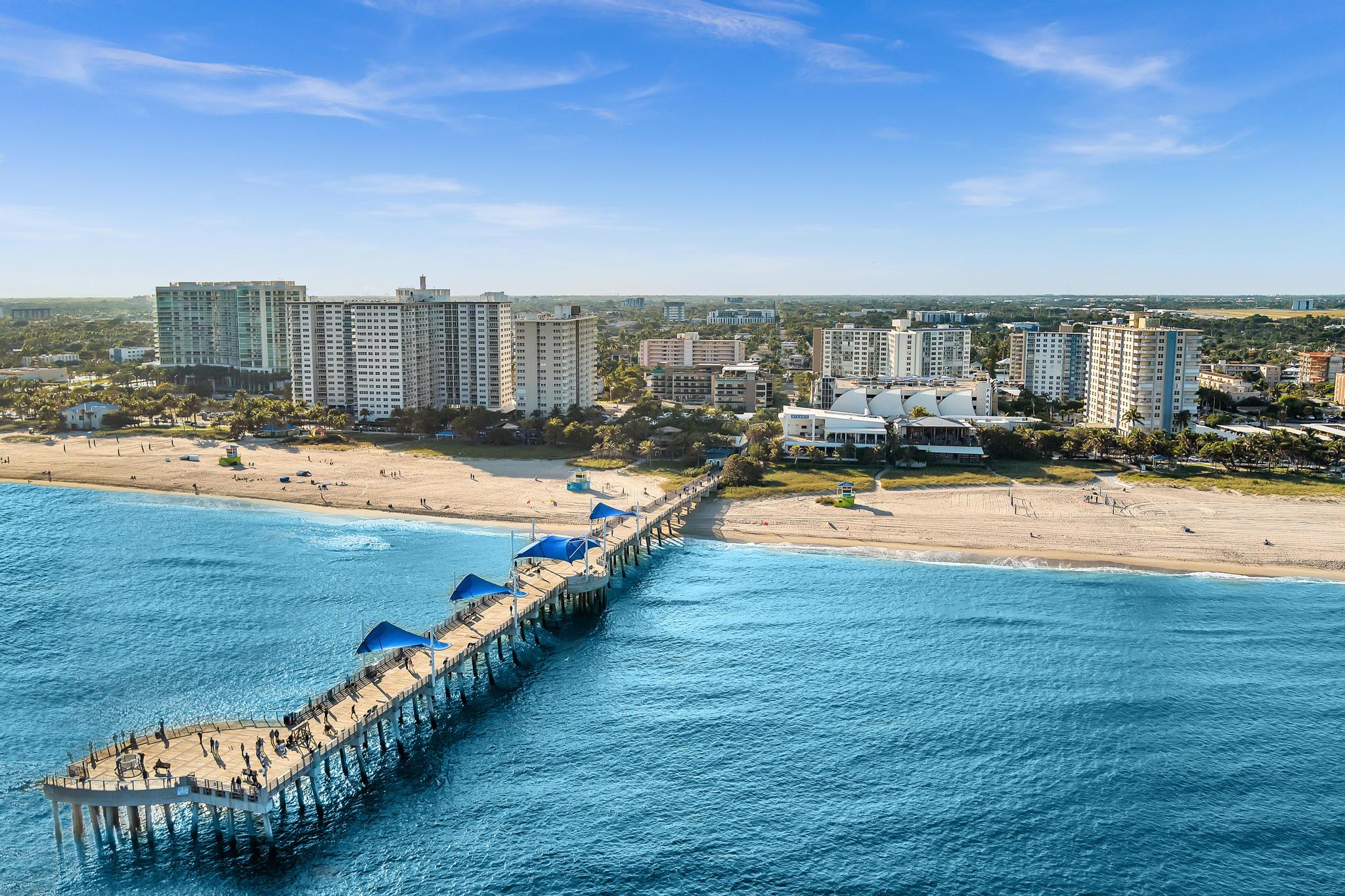
For many residents, the area around the pier becomes part of the weekly routine. The Fisher Family Pier is nearly 900 feet long and open daily from 7 a.m. to 10 p.m., making it a convenient spot for a walk, ocean views, or a casual fishing outing.

If you enjoy fishing, the pier keeps things simple. The city lists free sightseeing access, a $7 daily fishing rate, and rod rentals, bait, food, and beverages at the bait shop. It also notes that you do not need a Florida fishing license to fish on the pier.

The surrounding beach district adds to the experience. The city describes the nearby Fishing Village as a six-acre beachfront area, which helps explain why this stretch of coast works well for relaxed walks, light errands, and casual waterfront time.

Snorkeling And Diving Stand Out

If you want more than sand and sun, Pompano Beach is known for ocean access. Local tourism sources describe the area as a destination for scuba diving and snorkeling, with both shore dive opportunities and boat trips to reefs and shipwrecks.

Two widely recognized dive sites add to that appeal. Shipwreck Park identifies the Lady Luck, a 324-foot retired sludge tanker sunk about a mile from the pier in 110 feet of water, and the Okinawa, sunk one mile offshore in 70 feet of water. The project page describes Okinawa as one of the most accessible major dive sites in the U.S.

For condo buyers who love the water, this is a meaningful lifestyle feature. It means your home base is close to adventures that many coastal communities simply do not offer in the same way.

Wahoo Bay Offers Beginner-Friendly Snorkeling

Not every ocean activity needs to be advanced. Wahoo Bay, located at Roy L. Rogers Family Park, offers a more sheltered marine environment in the waters of Hillsboro Inlet.

The city says public snorkeling is available daily from 10 a.m. to 4 p.m. City and tourism sources also note that motorized boats and scuba diving are not allowed there, which helps create a different kind of experience from offshore dive sites. Access is available by boat, kayak, paddleboard, Water Taxi, or from Roy L. Rogers Family Park.

That makes Wahoo Bay especially appealing if you want a more relaxed outing or if you enjoy mixing education, conservation, and recreation. It is another example of how varied outdoor options can be near Pompano Beach’s condo communities.

Paddleboarding And Watersports Stay Close

Pompano Beach’s shoreline is not just scenic. It is active. The city’s water rules page outlines specific launch zones that support a range of on-the-water activities.

For example, stand-up paddleboards may launch north of Lifeguard Tower 5 or south of Lifeguard Tower 1. Hobie cats, kiteboarders, and other paddle- or wind-driven vessels are limited to NE 13th and 16th Streets, while boats and jet skis launch at Alsdorf Park on the Intracoastal Waterway.

If you prefer a condo lifestyle with easy access to active recreation, those details matter. They show that outdoor fun is built into the waterfront layout, with clear areas for residents and visitors to get out on the water.

Kite Surfing And Surfing Add Energy

For buyers who like a little more action, Pompano Beach also supports surfing and kite surfing. Tourism materials note that surfing is permitted north of the pier, with leash requirements.

The same source highlights the local kite surfing area at the east end of NE 16th Street, next to North Ocean Park. Once launched, kite surfers must stay 100 yards offshore. Nearby amenities include metered parking, restrooms, showers, barbecue grills, and picnic pavilions.

This mix of access and infrastructure helps make outdoor recreation feel practical. You are not just near the beach. You are near specific places where favorite activities can become part of your normal routine.

Nearby Parks Expand Your Options

Even with the ocean close by, it helps to have parks nearby for variety. The city says Pompano Beach has more than 700 acres of parks across 53 locations, which broadens the outdoor lifestyle beyond the sand.

Two nearby options stand out for condo residents. Pompano Community Park includes a one-mile walking trail, aquatic center, tennis center, pickleball, volleyball, a playground, and picnic pavilions. Pompano Inlet Park offers scenic waterfront views, fishing, restrooms, and a Water Taxi stop.

These spaces can support everything from a quick walk to a more active weekend plan. For many buyers, that variety is part of what makes the area feel livable year-round.

Practical Access Helps You Use It More

A great outdoor setting matters most when it is easy to enjoy regularly. The city notes that the public beach is guarded seven days a week from 9 a.m. to 4:45 p.m., which adds another layer of convenience for day-to-day beach use.

Getting around the district can also be straightforward. The beach page notes access to a free Circuit shuttle and Water Taxi service in the beach area, helping connect different waterfront destinations without always relying on your car.

That practical side is worth noting if you are considering a beachfront condo. Convenience often shapes how often you actually use the features that first drew you to the property.

What This Means For Condo Buyers

When you are shopping for a beachfront condo, the building matters, but so does the lifestyle just outside the front door. In Pompano Beach, the combination of shoreline access, the pier, watersports zones, snorkeling, diving, and nearby parks creates a coastal routine that can feel active, flexible, and easy to maintain.

That can be especially helpful if you are comparing different condo locations across Broward County. Some areas offer views. Pompano Beach offers views plus a compact network of outdoor destinations that can support everything from quiet morning walks to more adventurous weekends.

If you want help finding a condo that fits the way you actually want to live near the water, Patti Davila PA offers concierge-level guidance with local insight, responsive service, and multilingual support to help you explore Pompano Beach with confidence.

FAQs

What Outdoor Activities Are Near Pompano Beach Beachfront Condos?

Near many Pompano Beach beachfront condos, you can enjoy walking the beach, fishing from the pier, snorkeling, scuba diving, paddleboarding, kite surfing, surfing, and visiting nearby parks.

Is Pompano Beach Easy To Walk From Beachfront Condos?

In many parts of the beach district, yes. Official city and tourism sources show a compact coastal corridor with access to the beach, pier, launch points, and nearby parks close together.

Can You Fish Near Pompano Beach Condos Without A Boat?

Yes. The Fisher Family Pier is open daily, offers rod rentals and bait, and the city says a Florida fishing license is not required to fish on the pier.

Are There Beginner-Friendly Snorkeling Spots In Pompano Beach?

Yes. Wahoo Bay at Roy L. Rogers Family Park offers public snorkeling in a sheltered setting and is a more approachable option than offshore dive sites.

Are There Parks Near Pompano Beach’s Beachfront Condos?

Yes. Nearby options include Pompano Community Park and Pompano Inlet Park, which offer walking areas, waterfront views, fishing access, recreation amenities, and other outdoor features.

WILDCARDS • April 2, 2026

Hillsboro Beach Seasonal Rental Potential & Long-Term

If you are thinking about buying in Hillsboro Beach as an investment or second home, the rental question matters fast. Can you earn strong seasonal income, or is a long-term lease the smarter path? The answer is not one-size-fits-all in this small coastal market, and that is exactly why it pays to understand the numbers, timing, and rule book before you buy. Let’s dive in.

Hillsboro Beach Rental Market Basics

Hillsboro Beach is a niche rental market, not a high-volume one. According to the Town of Hillsboro Beach community information, the town has a population of about 2,000, with a noticeable seasonal increase in winter as owners return to occupy their properties.

That seasonal pattern helps explain why the year-round rental base is limited. Broward County housing data cited by the town estimated 198 renter-occupied units compared with 975 owner-occupied units, along with a median gross rent of $2,245. In other words, Hillsboro Beach is primarily an ownership market with a smaller pool of long-term renters.

At the same time, current asking rents show real pricing power. Zillow’s Hillsboro Beach rental trends show an average asking rent of $3,700 across 24 active rentals, with asking prices ranging from $2,300 to $15,000.

Why Seasonal Rentals Get Attention

For many owners, the biggest appeal is winter demand. Greater Fort Lauderdale’s busiest tourism stretch runs from late October through spring, with major events including the Fort Lauderdale International Boat Show, Winterfest, the Food and Wine Festival, the Renaissance Festival, Tortuga, and the Fort Lauderdale Air Show.

That broader demand picture supports interest in seasonal leasing near the coast. Broward County’s FY2024 tourism reporting, summarized by Visit Lauderdale, noted 72% hotel occupancy, an average daily rate of $181.99, and Tourist Development Tax collections expected to exceed $120 million. While hotel trends are not the same as condo lease performance, they do point to strong visitor demand in the area.

Zillow’s monthly asking-rent trend for Hillsboro Beach also reflects a seasonal pattern. Average asking rents in 2025 were around $4,000 in October through December, compared with about $3,139 in June, suggesting that winter and shoulder-season demand tends to be stronger than early summer demand.

Long-Term Rentals Still Have a Place

A long-term strategy can make sense if your goal is steadier occupancy and simpler operations. In a market with limited inventory and premium pricing, a well-positioned condo or coastal home may still attract year-round tenants, especially if the property is updated, well furnished when appropriate, and aligned with the building’s leasing rules.

The tradeoff is that Hillsboro Beach does not have the same depth as a larger rental market. That means your pricing power may be strong, but your renter pool is smaller. For some owners, that makes a longer lease less about maximizing gross rent and more about reducing turnover and keeping the property consistently occupied.

Expected Rent by Property Type

Property type matters a lot in Hillsboro Beach because this is a small market where view, condition, amenities, and lease term can move pricing quickly. Based on Zillow’s local rental data, current average asking rents break down like this:

  • 1-bedroom: $3,700
  • 2-bedroom: $3,500
  • 3-bedroom: $5,500
  • 4-bedroom: $11,500

These figures are directional, not guaranteed outcomes. In a boutique coastal market, two similar-looking properties can perform very differently depending on ocean access, building amenities, interior finishes, parking, furnishings, and the minimum lease term allowed.

Hillsboro Beach vs Pompano Beach

One helpful comparison point is nearby Pompano Beach. Zillow’s Pompano Beach rental trends show an average rent of $2,500 across 863 active rentals, which is a much deeper market than Hillsboro Beach.

Bedroom-level averages in Pompano Beach are also lower:

  • 1-bedroom: $1,850
  • 2-bedroom: $2,400
  • 3-bedroom: $3,200
  • 4-bedroom: $6,150

The takeaway is clear. Hillsboro Beach appears to command a premium, but it offers far less inventory and less market depth. That makes it more of a specialized coastal submarket than a broad rental engine.

Seasonal vs Long-Term Strategy

If you are weighing rental potential before buying, the decision usually comes down to your priorities. Both strategies can work, but they solve different problems.

Seasonal Rental Pros

A seasonal approach may appeal to you if you want to capture premium winter pricing and keep some flexibility for personal use. Stronger demand during late fall, winter, and spring can support higher gross rent during peak months.

Seasonal leasing may be especially attractive if your property has standout features like water views, updated interiors, strong building amenities, or a furnished setup that fits short-stay or snowbird demand. In Hillsboro Beach, premium presentation can have a meaningful impact.

Seasonal Rental Challenges

The biggest challenge is complexity. Seasonal rentals require close attention to tax rules, building restrictions, lease minimums, and the operational side of more frequent turnover.

This is where many buyers need to slow down before they commit. A building that seems rental-friendly at first glance may have lease restrictions that change the economics completely.

Long-Term Rental Pros

A long-term lease can offer a simpler ownership experience. With one tenant in place for a longer period, you may reduce vacancy, minimize turnover-related costs, and avoid the ongoing logistics that often come with seasonal occupancy.

This path may also line up better with condo rules in some buildings. If your goal is more predictable management and fewer moving parts, long-term leasing can be the more practical fit.

Long-Term Rental Challenges

The downside is that you may give up some peak-season upside. In a premium coastal location, winter demand can push asking rents higher, so locking into a longer lease may mean less ability to capture those seasonal gains.

It is also worth remembering that Hillsboro Beach has a limited year-round renter base. That means pricing and absorption can be more sensitive to unit condition and market timing than in larger nearby cities.

Tax Rules You Need to Know

In Florida, lease length has important tax consequences. According to the Florida Department of Revenue transient rental brochure, rentals of six months or less are subject to 6% state sales tax, plus any applicable surtax, and counties may also impose local transient rental taxes.

In Broward County, the Tourist Development Tax rate is 6%, which adds another layer to the cost and compliance picture for short-term or seasonal rentals. The same state guidance says that a bona fide written lease for continuous residence longer than six months is exempt from this transient tax treatment.

That creates an important planning line. A lease over six months may offer simpler tax handling, while a shorter seasonal lease may create stronger gross income potential but comes with additional compliance obligations.

The state also says that anyone renting transient accommodations must register to collect, report, and remit tax. If you are considering a seasonal strategy, this is part of the operational workload you should factor in from the start.

Condo Rules Can Make or Break the Plan

In Hillsboro Beach, condo and building rules are often just as important as location. Under Florida condominium law, amendments can prohibit rentals, change rental terms, or limit how often a unit may be rented, and disclosure materials must identify leasing restrictions.

In practical terms, that means you cannot assume two condos on the same street have the same rental flexibility. One building may allow a seasonal pattern that fits your goals, while another may require a much longer minimum lease or sharply limit rental frequency.

This is why document review matters so much before purchase. The address alone does not tell you whether a property works as a seasonal rental, a long-term rental, or mainly as an owner-occupied second home.

What This Means for Buyers and Owners

The research points to a balanced conclusion. Hillsboro Beach can offer strong rental potential, especially for owners aiming to offset carrying costs with premium winter rent, but it is not a plug-and-play investment market.

The upside is clear: higher asking rents than nearby Pompano Beach and a premium coastal setting. The constraints are just as clear: limited inventory, a smaller renter base, building-level lease rules, and tax compliance for shorter lease terms.

If you are buying with rental income in mind, your best move is to evaluate each property on three levels:

  • Market fit: How does the property compare on view, condition, amenities, and price point?
  • Lease flexibility: What do the condo documents and bylaws allow?
  • Tax impact: Will your intended lease term trigger transient taxes and added filing requirements?

When those three pieces line up, Hillsboro Beach can be a smart coastal hold. When they do not, the same property may function better as a personal retreat than as an income-producing asset.

If you want local guidance on condo rules, rental positioning, or comparing Hillsboro Beach with nearby coastal options, Patti Davila PA can help you sort through the details with a concierge-level, market-specific approach.

FAQs

What is the rental potential in Hillsboro Beach for seasonal leases?

Hillsboro Beach may offer strong seasonal rental potential during late fall through spring, with Zillow data showing higher asking rents in cooler months and local tourism trends supporting winter demand.

What is the rental potential in Hillsboro Beach for long-term leases?

Long-term leases can offer more stable occupancy and simpler operations, but the town’s small renter base means each property’s condition, pricing, and building rules matter a lot.

What are average rents in Hillsboro Beach by bedroom count?

Zillow reports average asking rents of $3,700 for 1-bedroom units, $3,500 for 2-bedroom units, $5,500 for 3-bedroom units, and $11,500 for 4-bedroom units.

What taxes apply to seasonal rentals in Hillsboro Beach?

In Florida, rentals of six months or less are generally subject to 6% state sales tax, and Broward County also imposes a 6% Tourist Development Tax, based on the Florida Department of Revenue guidance in the research.

What condo rules should buyers check in Hillsboro Beach before purchasing?

Buyers should review the condo declaration, bylaws, and disclosures for rental restrictions, including minimum lease terms, rental frequency limits, and any rules that may affect seasonal or annual leasing.

Is Hillsboro Beach more expensive than Pompano Beach for rentals?

Yes. Research from Zillow shows Hillsboro Beach asking rents are higher on average than Pompano Beach, but Hillsboro Beach also has much less inventory and a smaller rental market overall.

WILDCARDS • March 24, 2026

Hillsboro Beach Waterfront Property Types: Homes & Condos

If you dream of waking to the Atlantic sunrise and winding down to Intracoastal sunsets, Hillsboro Beach offers a rare slice of coastal living. The town is tiny, inventory is scarce, and every property type along the Hillsboro Mile comes with its own lifestyle, costs, and rules. This guide breaks down waterfront homes and condos in plain English so you can compare options with confidence. You will learn what you get, what you pay for, and what to check before you buy. Let’s dive in.

Hillsboro Beach Snapshot

Hillsboro Beach is a small, built-out barrier-island community in northern Broward County along State Road A1A, known as the Hillsboro Mile. It sits between Deerfield Beach and Pompano Beach and is primarily residential, which helps keep the vibe calm and exclusive. The town’s own resources highlight its intimate scale and coastal services for residents. You can learn more in the town’s Resident Guide and community info on the Town of Hillsboro Beach website.

Citywide listing data often shows a median price around the high six figures. That is a useful baseline, but direct ocean or Intracoastal properties can range much higher depending on view, building, dockage, and amenities.

Choose Your Waterfront Lifestyle

Each property type delivers a different daily rhythm, cost profile, and maintenance plan. Here is how they compare.

Oceanfront Condos

If you want direct beach access, ocean pools, and sunrise views, oceanfront condos are the classic Hillsboro Beach choice. Larger buildings may offer concierge or doorman service, fitness centers, and private beach areas. The lock-and-leave setup appeals to second-home and seasonal buyers.

Lifestyle: Beachfront living with resort-style amenities and lower day-to-day maintenance for owners.
Typical costs: Monthly assessments fund staffing, common-area utilities, building maintenance, and the master insurance policy. Owners still carry an HO-6 for interiors and contents. Premium buildings often have higher assessments, and large units can see fees in the several-thousand-per-month range.
Price expectations: Recent ranges commonly run from about $500,000 to more than $3 million depending on building, floor, size, and finishes. Smaller or older towers can offer lower entry points.

Intracoastal Condos (And Dual-Waterfront)

If boating and sunset views are your priority, Intracoastal condos on the west side of A1A deliver calm water vistas and the potential for dock access. Some buildings span from the ocean to the Intracoastal, offering the best of both worlds.

Lifestyle: Quieter water, boat watching, and potential marina or deeded slip access. Ideal for buyers who value boating convenience.
Typical costs: Similar to oceanfront regarding assessments and insurance splits. Dockage terms vary widely: slips may be deeded, assigned, or rented through the association. Those details affect value and monthly costs.
Price expectations: Many Intracoastal or dual-frontage units trade from the mid six figures into the low seven figures, with premium views and deeded dockage pushing values higher.

Townhomes With Beach Or Dock Access

Townhomes on the Hillsboro Mile often span multiple levels, feel more like single-family homes, and may include direct beach access or private lifts and docks on the Intracoastal.

Lifestyle: Extra space and privacy with community stewardship of exteriors and shared areas. Great for buyers who want a garage, multiple levels, and water access.
Typical costs: HOAs usually cover exterior common areas, shared seawalls, and amenities. Owners are typically responsible for their own docks and any deeded seawall sections. Dues vary by community and amenities.
Price expectations: Townhomes with dockage often land in the low to mid millions, depending on size and slip configuration.

Luxury Single-Family Estates

Ocean-to-Intracoastal estates are the pinnacle of the Hillsboro Mile. These properties can include private beaches, deep-water docks, and architect-designed homes.

Lifestyle: Maximum privacy and control, with both Atlantic frontage and Intracoastal boating.
Typical costs: Owners fund everything, including structural upkeep, landscaping, seawalls and docks, and all insurance. There is no condo master policy at the single-family level.
Price expectations: Expect a wide band from several million into the very high millions at the top end.

Who Pays For What

Understanding association structure is key to budgeting and risk.

Condominiums: Under Florida’s condominium law, associations typically insure and maintain common elements and the building envelope, while unit owners insure interiors, contents, and any deductible or special assessment exposure. Review the statute on association insurance responsibilities in Chapter 718.
Homeowners associations: Detached homes or fee-simple townhomes may fall under Chapter 720, where owners carry more responsibility for their structures. Always compare the declaration, bylaws, and budgets.

Tip: Ask for the current budget, reserve study, insurance policy, and recent meeting minutes so you know whether fee increases or special assessments are likely.

What Rules Affect Buyers

Coastal properties come with added diligence. Build these checks into your plan early.

Milestone Inspections And Reserves

Florida’s post-Surfside laws created milestone structural inspections and structural integrity reserve studies for eligible condominiums. These reports can lead to required repairs or special assessments and are now part of a building’s records. Before you write an offer, ask whether the building has completed its inspections and review any findings. Learn the state’s timetable on the DBPR milestone and SIRS timeline.

Condo Project Financing

Lenders and agencies review condo projects for things like reserves, insurance, litigation, and owner-occupancy. If a project does not meet a lender’s standards, financing may be limited or more expensive. Confirm eligibility with your lender early and verify project status using Fannie Mae’s project standards summary.

Flood And Wind Insurance

Most barrier-island properties sit in mapped FEMA flood zones. Lenders usually require flood insurance, and wind coverage can add meaningful cost. Pull the property’s flood zone and request an elevation certificate early. Start at FEMA’s Flood Map Service Center.

Rental Rules

If you plan to rent the property, confirm the town’s vacation-rental requirements and the association’s lease rules. Hillsboro Beach has a registration and compliance framework for vacation rentals. Review the town’s vacation rental ordinance and then verify the building’s bylaws.

Seawalls, Docks, And Permits

Seawall and dock responsibilities depend on your deed and association documents. Most repair or replacement work requires local and often state or federal approvals. Learn more about coastal permitting under Florida’s environmental control statutes. Broward County also participates in periodic shore-protection and renourishment, which can influence beach width and access over time; see the county’s beach project overview.

Costs To Plan For

Waterfront living delivers daily joy, and it also requires smart budgeting. Plan for:

  • HOA or condo assessments that reflect staffing, insurance, reserves, and amenities. Premium oceanfront towers often carry higher monthly fees.
  • Special assessments, especially in older buildings or those completing structural work, seawalls, or major capital projects.
  • Insurance line items: HO-6 or homeowners, wind, and flood. Coastal premiums are often higher than inland averages.
  • Property taxes: Broward County’s effective property tax rate tends to track near 1 percent, varying by exemptions and millage. See county-level context from the Tax Foundation.
  • Maintenance for docks, lifts, landscaping, and hurricane preparation.

For a helpful perspective on shifting insurance and HOA costs in Florida, review this consumer coverage from Bankrate.

Quick Buyer Checklist

Use this short list to stay focused as you tour properties and review documents.

  • Pull the FEMA flood map for the address and request an elevation certificate. Start at the FEMA Flood Map Service Center.
  • Request association documents: declaration, bylaws, current budget, reserve study, master insurance, and recent meeting minutes. For condos, ask for any milestone inspection or structural reserve reports. Review the relevant condo statute language.
  • Confirm dock or boat-slip details: deeded, assigned, or rented. Ask for dock and seawall permit history and check for any open permits under Florida’s environmental control statutes.
  • Get early insurance quotes for wind and flood using the building’s age, elevation, and any recent upgrades.
  • Verify condo project financing eligibility with your lender and review Fannie Mae’s condo project standards.
  • Confirm short-term or seasonal rental rules with the Town and the association. Start with the town’s vacation rental ordinance.
  • Budget conservatively for ongoing costs, including HOA fees, reserves or special assessments, and coastal insurance. A quick primer on rising costs is available from Bankrate.

How We Can Help

Choosing between oceanfront ease, Intracoastal boating, a townhome with space, or a full estate is a personal decision. You deserve clear numbers, transparent documents, and a smooth plan from offer to closing. With deep local knowledge of Hillsboro Beach, responsive communication, and multilingual service in English, Spanish, French, and Italian, you get a concierge experience tailored to your goals.

If you are ready to compare properties, review fees, and map out your best options on the Hillsboro Mile, connect with Patti Davila PA to schedule your concierge consultation.

FAQs

What Is The Difference Between Oceanfront And Intracoastal Condos In Hillsboro Beach?

Oceanfront delivers direct beach access and sunrise views with resort amenities, while Intracoastal focuses on boating access, sunset views, and potential deeded or rentable boat slips.

How Do Florida Condo Milestone Inspections Affect A Hillsboro Beach Buyer?

Buildings subject to milestone inspections and structural reserve studies may require repairs or special assessments, so you should review the reports and budgets before making an offer using the state’s DBPR timeline.

What Should I Check About Boat Slips With A Hillsboro Beach Condo?

Confirm whether the slip is deeded, assigned, or rented, along with fees, maintenance duties, and any size or lift restrictions, since these terms impact value and ongoing costs.

Are Short-Term Rentals Allowed In Hillsboro Beach Condos?

The Town requires vacation-rental registration and compliance, and many associations have their own lease rules, so verify both the municipal ordinance and the building’s bylaws before you buy.

How Expensive Is Flood And Wind Insurance On The Hillsboro Mile?

Coastal premiums are typically higher than inland areas; request quotes early and use the property’s FEMA flood zone and elevation certificate to refine pricing through your insurer.

What Does The HOA Usually Cover In An Oceanfront Condo?

Associations generally handle common elements, building exteriors, and master insurance, while unit owners insure interiors and contents; confirm specifics in the documents and Chapter 718.

WILDCARDS • February 19, 2026

Pricing Pompano Beach Condos: Sell Smart in Today’s Market

Thinking about selling your Pompano Beach condo but not sure where to set the price? You are not alone. With new building-safety rules, changing insurance costs, and more inventory than a few years ago, pricing takes more than a simple price-per-foot. In this guide, you will learn exactly how to anchor your price to your building’s comps, what documents to pull, and how views, reserves, insurance, and financing shape buyer demand. Let’s dive in.

START WITH YOUR BUILDING, NOT THE CITY

City and county stats show the mood of the market, but condo pricing starts with your building and even your line. Public trackers show Pompano Beach condos have more days on market than in 2020–22 and beach-neighborhood prices trend higher than inland areas. Use that as context only, then validate against MLS comps for your stack. For a quick snapshot of city trends, review the Pompano Beach overview on Realtor.com’s local market page.

Across Broward County, the condo median has hovered in the low-to-mid $200Ks in recent reports, and months of supply and days on market have increased compared with the ultra-tight years. That affects buyer pace and negotiation power. You can see county patterns in the latest Miami REALTORS Broward market update. Again, use metro data to frame expectations, then price off your building.

WHAT DRIVES A POMPANO BEACH CONDO PRICE

OCEAN LINE AND VIEW

In coastal markets, line-of-sight to the ocean is one of the strongest value drivers. Unobstructed ocean views can command a meaningful premium, while partial or side views add less. The right way to size your view premium is to compare same-building, same-line sales on different floors. For background on how markets price views, see this classic analysis on the value of a view.

BUILDING AGE AND MILESTONE STATUS

Florida requires “milestone” inspections for buildings three stories or taller at 30 years of age, or 25 years if within 3 miles of the coast, then every 10 years. If your building is in a milestone window or has a Phase 2 requirement, buyers and lenders pay close attention and may discount or add contingencies. Learn more in the state statute on milestone inspections.

RESERVES, SIRS, AND ASSESSMENTS

State reforms increased reserve requirements and limited waivers for items in a Structural Integrity Reserve Study (SIRS). Buyers want to see a current SIRS and the percent-funded figure, plus any planned or recent special assessments. Strong reserves support price. Underfunding or upcoming assessments often reduce buyer appetite. See the state overview of SB 4-D and related rules from Florida Realtors, and the official condo statute for association records in Chapter 718.

INSURANCE, DEDUCTIBLES, AND FLOOD EXPOSURE

Association master policies vary. “Bare walls,” “single-entity,” and “all-in” coverage allocate different responsibilities to owners. Buyers also look at wind and hurricane deductibles and the building’s claims history. Higher deductibles and risk exposure can raise out-of-pocket costs and reduce net value. For a primer, review the Insurance Information Institute’s guide on insuring a condo. Statewide insurance conditions have been volatile, which affects premiums and deductibles. The Florida Office of Insurance Regulation provides context on market conditions in its industry updates.

AMENITIES, RULES, AND OCCUPANCY MIX

Amenities like beach access, pool, gym, or dockage attract interest, but higher services can mean higher dues. Rental rules, parking, and security policies also shape demand. Make sure your price balances the amenity premium against monthly carrying costs.

FINANCING ELIGIBILITY AND BUYER POOL

Not all buildings qualify for common loan programs. Fannie Mae and Freddie Mac apply project rules on reserves, delinquencies, and investor concentrations. If a project is ineligible, expect a smaller financed-buyer pool and a longer time to contract. Review project-eligibility considerations in Fannie Mae’s selling guide.

GATHER THE RIGHT DOCUMENTS BEFORE YOU PRICE

Pull these items so your agent can price with confidence and disclose accurately:

  • Most recent Structural Integrity Reserve Study, current reserve balance, and percent-funded figure. See official records guidance in Chapter 718.
  • Any milestone or recertification inspection reports and notices. For local timelines, visit Pompano’s Building Safety Inspection Program.
  • Association budget, financial statements, and a summary of special assessments or loans.
  • Master insurance certificate showing policy type and deductibles, plus any pending claims. For coverage basics, see condo insurance essentials.
  • Board minutes and notices for the last 12–24 months that mention capital projects, litigation, or enforcement policies.
  • Same-building comps and any actives or pendings in your line and floor band.

BUILD A CLEAR CMA IN FIVE STEPS

  1. Pull same-building closed sales from the last 12/6/3 months depending on the market availability. If you do not have at least three, extend t to the neighbor building with the same floor plan. Keep in mind that the new building may have different financial, physical and amenity structures.
  2. Group by line and floor band. Note sale price, price per square foot, days on market, and sale dates. City trackers are helpful for context, but use your building data first. For a quick market frame, check the Pompano Beach overview.
  3. Adjust for unit-level differences. Renovations, flooring, kitchen and bath updates, hurricane-impact windows, parking, storage, and included furnishings can move value. Use receipts where available and paired-sales logic when you have similar comps.
  4. Adjust for external costs. If a per-unit special assessment is confirmed or a milestone repair is upcoming, reduce the target price by the present value of those outflows or prepare clear net-of-assessment scenarios. Required disclosures are outlined in Chapter 718.
  5. Account for financing constraints. If common loan programs are unlikely, plan for a smaller buyer pool, longer marketing time, or a price concession. See Fannie Mae’s project rules.

Example workflow: If three same-building comps on your line sold at $420 per square foot, $435 per square foot, and $410 per square foot, start from the median $420 per square foot. If your unit needs a $20,000 kitchen update, adjust downward to reflect that, then subtract your share of any confirmed assessment. Your agent’s CMA will refine the exact number.

WATCH THESE RED FLAGS

  • Milestone inspection timing or a Phase 2 requirement. Buyers and lenders may pause or discount until work is resolved. See milestone inspection rules.
  • Low reserve percent-funded or a history of reserve waivers for SIRS items. This raises the risk of large future assessments. Review reserve rules via SB 4-D guidance.
  • High wind or hurricane deductibles on the master policy and a pattern of loss assessments. Buyers underwrite out-of-pocket risk. Learn the basics in condo insurance essentials.
  • Project-level financing ineligibility or a high investor share that limits loan options. See Fannie Mae’s project standards.

COMMON PRICING TRAPS TO AVOID

  • Treating an AVM as gospel. Automated values can be off for condos where reserves, insurance, line, and floor matter. Always reconcile with same-building comps.
  • Forcing cross-building price-per-foot comparisons. Balconies, parking, storage, and measurement standards vary. Use paired sales in your stack.
  • Pricing by marketing claims. “Million-dollar view” means little without recent, verified sales in the same line and floor band.

HOW INSURANCE AND FLOOD EXPOSURE HIT BUYER MATH

Insurance costs can change total cost of ownership. Master policy type and wind deductibles affect what buyers must carry with an HO-6 policy and how they plan for loss assessments. In recent years, Florida’s insurance market and reinsurance costs have seen volatility, which shapes premiums and deductibles. The regulator’s industry updates provide statewide context. Many coastal parcels sit in flood zones that may require flood insurance. Expect higher risk to narrow the buyer pool or press the price.

FINANCING AND BUYER POOL REALITY CHECK

Buyer financing depends on project eligibility. Reserve funding, delinquency rates, commercial space, and investor concentration all matter in underwriting. If your building has project-level flags or is trending in that direction, set price expectations accordingly and plan for more cash buyer outreach. For specifics on common eligibility requirements, review Fannie Mae’s guide.

QUICK SELLER CHECKLIST

  • Structural Integrity Reserve Study and most recent reserve balance.
  • Current budget and financial statements, plus special assessment details.
  • Milestone or recertification reports, notices, and timelines.
  • Master policy summary, coverage type, and deductible schedule.
  • Board minutes and notices for the past 12–24 months.
  • Three same-building closed comps, plus actives and pendings in your line.
  • City records for recertification and permits via Pompano’s Building Safety Inspection Program.

MOVE FORWARD WITH A LOCAL PLAN

You get the best result when your price reflects your exact line, floor, view, reserves, insurance profile, and loanability. A local condo specialist can read the association documents, verify project status with lenders, and build a pricing strategy that attracts the right buyers at the right time of year. If you want a data-backed number and a polished plan to go live with confidence, let’s talk.

Ready to price your Pompano Beach condo the smart way? Schedule your concierge consultation with Patti Davila PA. Hablamos español, nous parlons français, parliamo italiano.

FAQS

HOW DO OCEAN VIEWS AFFECT POMPANO BEACH CONDO PRICING? Use same-building, same-line comps to quantify the premium. Unobstructed ocean lines often command more, while partial views add less. See research on the value of a view.

WHAT IF MY POMPANO BEACH BUILDING IS ENTERING A MILESTONE INSPECTION? Expect tighter lender scrutiny and buyer caution. Price conservatively and disclose status. Learn the rules in Florida’s milestone inspection statute.

HOW SHOULD I PRICE IF MY ASSOCIATION HAS A SPECIAL ASSESSMENT? Reduce your target price by the expected owner outlay or present clear net-of-assessment scenarios. Disclosures fall under Chapter 718.

HOW DO FLORIDA INSURANCE CHANGES IMPACT MY CONDO’S VALUE? Higher premiums and wind deductibles can narrow the buyer pool and push negotiations. Review master coverage details and see statewide context in the regulator’s industry update.

DOES BROWARD COUNTY MARKET DATA CHANGE MY PRICING STRATEGY? County stats shape expectations for days on market and competition, but your price should come from same-building comps. See patterns in the Miami REALTORS Broward report.

WILDCARDS • January 15, 2026

Hillsboro Beach Condo Rental Rules: What to Know

Thinking about buying a Hillsboro Beach condo and renting it out? Many buyers are surprised to learn that each building sets its own rental rules, and those rules can shape your cash flow and resale options. You want a clear view of what is allowed, what is restricted, and how to plan your numbers with confidence. This guide breaks down how condo rental rules work in Florida, what you are likely to see in Hillsboro Beach, and how to do smart due diligence before you write an offer. Let’s dive in.

What Sets Condo Rental Rules

Florida’s Condominium Act outlines the legal framework for how associations operate. Within that framework, each association adopts its Declaration of Condominium, bylaws, and rules. Rental limits often sit in the Declaration, while procedures appear in rules and policies.

The order of importance matters. The recorded Declaration controls first, followed by bylaws, then rules and board policies. If there is a conflict, the higher-level document usually wins.

Local laws also play a role. Municipal and county ordinances can regulate short-term rentals, licensing, parking, and safety. In practice, you must follow both the association’s documents and any local ordinances that apply in Broward County or the Town of Hillsboro Beach.

Associations have tools to enforce their rules. These include fines, suspension of amenities, and legal action when needed, subject to due process. This is why it is smart to confirm what is written and how actively rules are enforced.

Financing adds another layer. Lenders and agencies that buy mortgages review project-level factors like investor concentration and short-term rental activity. A community’s rental profile can affect eligibility for certain loan programs.

Common Hillsboro Beach Condo Limits

Every association is different, but many coastal communities use rental restrictions to protect a residential feel and maintain financing options. Expect variations by building, and verify everything in writing.

Minimum Lease Term

Many buildings require a minimum lease term to avoid transient occupancy. Common minimums are 30, 60, or 90 days, and some coastal buildings require 6 to 12 months.

This blocks weekly or short vacation rentals. It may lower potential gross rent compared with short-term rates, but it also reduces turnover and management tasks.

Waiting Period After Purchase

Some associations require you to own and occupy the unit for 6 to 24 months before leasing. The goal is to keep owner-occupancy high and discourage speculative turnover.

If you plan to rent right after closing, a waiting period can delay income. Build that time into your projections.

Caps on Rentable Units

Rental caps limit how many units can be leased at one time. Caps may be a percentage of the building or a fixed number.

Even if leasing is allowed, you may need to wait for a “slot” to open. That uncertainty can affect vacancy and timing.

Limits on Lease Frequency

Rules may allow only one lease in a 12-month period or cap the number of leases per year. This reduces churn and keeps neighbor stability.

If you hoped to alternate between personal use and multiple short leases, frequency limits can block that plan.

Short-Term Rental Bans

Many associations prohibit rentals under a set duration. Some also restrict marketing on short-term rental platforms.

Even if area demand looks strong for short stays, an association’s rules and local ordinances can prohibit them. Always confirm both.

Tenant Approval and Screening

Associations often require board approval of tenants. You may need to submit an application, background information, and a copy of the lease.

Approval timelines vary by building. Delays can push back move-in dates and reduce your cash flow in the first months.

Lease Content Requirements

Your lease may need specific language stating that tenants must follow association rules. Associations may require a copy before occupancy.

Using the correct lease form protects you and helps avoid delays or denials.

Registration, Fees, and Compliance Costs

Expect application fees, registration paperwork, or parking permits. Local licensing or safety requirements may also apply.

Noncompliance can lead to fines. Budget for these costs in your underwriting.

Enforcement and Penalties

Violations can trigger fines, suspension of privileges, and legal action. If municipal rules are also breached, local code enforcement may act.

Repeat violations can get expensive. Clear procedures help you avoid issues.

Insurance and Lender Impacts

Higher levels of rentals and short-term activity can increase insurance risk. Some associations restrict rentals for risk control.

Lenders review the project’s rental profile. Policies that preserve owner occupancy can improve loan options for future buyers.

How Rules Affect Returns and Resale

Cash Flow Impacts

If short-term rentals are prohibited, you should plan for long-term rates rather than nightly premiums. This usually means lower gross rent but also lower turnover and management costs.

Caps and waiting lists add vacancy risk. A unit may sit empty while you wait for approval or for a lease slot to open.

Approval timelines and waiting periods delay rent start dates. Add application fees, higher insurance, and the risk of fines, and your net income may be lower than a simple rent estimate suggests.

Valuation and Financing

Strict rental policies can attract owner-occupant buyers and support stable resale values. They can reduce the appeal to investors who rely on short-term income.

Project-level rental profiles affect financing eligibility for conventional, FHA, and VA programs. Buildings with high investor concentration or active short-term rentals may face financing hurdles.

If you are valuing a unit as an investment, you may find fewer comparable investor sales. That can make appraisals and resale planning trickier.

Exit Strategies to Keep in View

  • Sell to an owner-occupant. Often the easiest path in buildings with tight leasing rules.
  • Sell to an investor. Works when leasing is allowed and the cap is not full. Lender criteria may still limit the buyer pool.
  • Sell with a tenant in place. The lease binds the new owner. If rent is below market or the term is short, it can reduce buyer interest.
  • Convert your strategy. Moving from owner-occupant to landlord may require waiting periods or a cap slot. Plan ahead.

Due Diligence Checklist Before You Buy

Ask for these documents early and review them with your agent and attorney:

  • Recorded Declaration of Condominium and all amendments
  • Current bylaws and rules and regulations
  • Leasing policy or rental addenda and any board resolutions on leasing
  • Estoppel or resale disclosure showing rules, fines, and pending actions
  • Meeting minutes for the last 12 to 24 months that mention leasing
  • Current operating budget and reserve study
  • List of current leases and expiration dates to gauge cap usage
  • Association insurance policy summary, including any rental-related requirements
  • Any correspondence about rental caps, waiting lists, or moratoriums
  • Pending litigation or code issues related to leasing or short-term rentals
  • Copies of any municipal licenses or violations if the unit was used as a short-term rental
  • The lease form the association requires or accepts
  • Tenant application forms and stated approval timelines
  • Parking, dock, and amenity rules that affect tenants

Key questions to ask the manager or board:

  • What is the minimum lease term, and is it enforced?
  • Is there a waiting period after purchase before leasing?
  • Is there a cap on leased units, and what is the current utilization?
  • Are short-term rentals allowed? Any recent changes or moratoriums?
  • What is the typical timeline for tenant approval?
  • Are there specific fines or fees linked to leasing or tenant registration?
  • Has insurance cost changed due to rental activity or claims?
  • Are any lease-related amendments pending?

Practical steps that make a difference:

  • Get the exact lease form the association requires and have your attorney or manager review it.
  • Verify verbal statements in writing via minutes, policy memos, or emails.
  • Ask the listing agent about any recent lease denials or enforcement actions in the building.
  • Contact Town of Hillsboro Beach officials to confirm current short-term rental licensing and enforcement practices.
  • Confirm with your lender how the building’s rental profile affects loan options.

Local Insights for Hillsboro Beach

Hillsboro Beach is a small, low-density barrier-island town. Many associations in similar coastal settings favor longer minimum lease terms, waiting periods, or caps to preserve a quiet residential environment.

Broward County and local municipalities have increased enforcement of short-term rental rules. If you rent without the proper association approval or required local licensing, you risk fines and an order to stop.

Because lenders consider project-level rental data, ask your lender early about conventional, FHA, or VA options for your targeted building. Early clarity can save time and guide your offer strategy.

Simple Scenario Planning for Investors

Use a three-scenario approach to stress-test your plan:

  • Conservative. Assume the longest waiting period, the slowest approval timeline, and a full rental cap that delays your start date. Use long-term rents and higher vacancy to reflect delays.
  • Base case. Use the stated minimum lease term and typical approval timeline. Include application fees, insurance adjustments, and property management costs.
  • Optimistic. Assume immediate eligibility to lease within the rules and stable tenant demand. Keep expenses realistic and include a reserve for unexpected compliance costs.

Then, model exit timing. Test a resale to an owner-occupant versus an investor buyer. Adjust price expectations if lease restrictions narrow your buyer pool.

Next Steps

If Hillsboro Beach is on your shortlist, the fastest way to move forward is to align your goals with the right building’s rules. Start by identifying buildings that fit your lease timeline and strategy, then request the key documents and speak with the manager about cap utilization and approval timelines.

If you want a second set of eyes on documents, help coordinating with the association and local offices, or bilingual guidance throughout the process, reach out to Patti Davila PA. Schedule your concierge consultation, and let’s map a clean path from offer to approved tenant.

FAQs

Can a Florida condo association ban rentals in Hillsboro Beach?

Associations can adopt rental restrictions consistent with their documents and Florida law, and you must also follow any municipal rules. Always verify the recorded Declaration and current rules.

Do town rules override my condo’s leasing rules in Broward?

You must comply with both. Municipal ordinances can regulate short-term rentals and licensing, while the association sets community rules. The stricter rule often controls in practice.

Will condo rental restrictions affect my mortgage approval?

Rental policies can influence project eligibility for certain loan programs due to investor concentration and short-term rental prevalence. Check with your lender for building-specific guidance.

How do I know if an association truly enforces leasing rules?

Review recent meeting minutes and estoppel disclosures, ask for a list of current leases and fines, and speak with management about timelines and any recent denials.

What happens if I rent my unit short-term without approval?

You risk association fines, suspension of privileges, and legal action, along with potential municipal penalties. Noncompliance can be costly and may require you to stop renting.

WILDCARDS • January 1, 2026

Hillsboro Beach Condo Sale Checklist for Sellers

Thinking about selling your Hillsboro Beach or Pompano Beach condo but not sure where to start? You’re not alone. Between HOA paperwork, coastal maintenance, and making sure your photos capture the view, it can feel like a lot. This guide gives you a clear, step-by-step checklist tailored to Hillsboro Beach so you can minimize surprises, keep timelines on track, and attract qualified buyers. Let’s dive in.

WHY A CONDO CHECKLIST MATTERS HERE

South Florida Beaches sit on a gorgeous, salt-air coastline where balconies, sliding doors, and building systems work a little harder than inland properties. Many buyers are seasonal or out of state, and they expect quick answers on HOA rules, reserves, and insurance. A focused prep plan helps you avoid delays, present your condo at its best, and support buyer financing.

START WITH HOA AND RESALE DOCUMENTS

Your buyer and their lender will scrutinize the association’s financials, rules, and insurance. Getting the resale packet early is one of the best moves you can make.

REQUEST THE RESALE PACKET EARLY

Ask the association for a complete resale packet that includes the estoppel or resale certificate. Turnaround can range from about 10 to 30 business days, and there are usually fees. If timing is tight, ask about expedited options. Order these before you list so you can address any issues upfront.

WHAT TO LOOK FOR

Review your packet for red flags that can slow or derail a sale:

  • Special assessments that are recent or planned, including purpose and timing.
  • Reserve levels and overall financial health.
  • Pending litigation involving the association.
  • Rules that affect buyer demand such as rental restrictions, owner-occupancy ratios, and pet or parking policies.
  • Insurance coverage limits for the association.
  • Buyer approval steps and expected timelines.

BUYER APPROVAL TIMELINE

Some associations require a buyer application and interview. Confirm the process and timing now so you can set realistic expectations when offers come in. Share known timelines with your agent and prospective buyers.

INSPECT AND REPAIR WITH A COASTAL LENS

Addressing the right issues before listing reduces renegotiations and helps appraisals and loans move smoothly.

HIGH-PRIORITY FIXES BEFORE LISTING

  • Schedule a walk-through inspection with someone experienced in coastal condos.
  • Inspect balconies and terraces if your unit has one, especially in older buildings.
  • Service the HVAC and replace filters to control humidity and odors.
  • Check sliding doors and window seals for corrosion or leaks; repair inoperable hardware.
  • Look for any signs of water intrusion, soft spots, or mildew and remediate as needed.
  • Test GFCIs and basic electrical safety items; update unsafe fixtures.
  • Complete simple cosmetic refreshes like paint touch-ups, clean grout, and new hardware.

ORGANIZE REPAIR DOCUMENTATION

Gather invoices, permits, warranties, and any engineer reports for recent work. Lenders and buyers often request proof that repairs were done correctly and, when required, permitted.

RECERTIFICATION AND ASSESSMENTS

Older coastal buildings may be subject to periodic structural inspections and recertification schedules. Check with your HOA and local building department for any upcoming milestones or required work, and confirm whether special assessments are being considered. Disclosing this early builds trust and avoids last-minute surprises.

MAKE YOUR CONDO PHOTO-READY

Great photography is your first showing. Help buyers fall in love with the lifestyle before they step inside.

PHOTOGRAPHY GAME PLAN

  • Showcase what sells here: ocean and Intracoastal views, balconies, beach access, pool and outdoor areas, lobby or concierge spaces, and assigned parking or garage.
  • Plan exterior and amenity photos for clear weather and off-peak times.
  • For interiors, shoot during bright daylight with all blinds open to frame the view. Twilight exteriors can be powerful if lighting and views shine.
  • If using drone photos, verify HOA rules and ensure proper compliance and neighbor privacy.

SMART STAGING FOR SMALL SPACES AND BALCONIES

  • Declutter and remove excess furniture to maximize space and light.
  • Keep balcony staging simple with a small bistro set, and store hurricane panels unless needed.
  • Refresh textiles and rugs; consider neutral slipcovers if furniture shows wear.
  • Avoid seasonal decor so imagery stays evergreen for online buyers.

RULES AND PERMISSIONS FOR SHOOTS

Confirm HOA policies on professional photography, access to common areas, and drones. Some associations require advance notice or proof of insurance from vendors. Plan ahead so your photographer can capture amenities without delays.

LOGISTICS FOR SEASONAL AND ABSENTEE OWNERS

If you’re not local, a little prep goes a long way toward a smooth closing.

60-DAY PRE-LIST TIMELINE

  • 45–60 days out: Request the resale packet, order inspections focused on balconies, doors, and HVAC, and check on building recertification status.
  • 30–21 days out: Wrap high-priority repairs, gather invoices and permits, arrange deep cleaning, and schedule professional photography.
  • 14–7 days out: Final staging and photos, prepare MLS materials and disclosures, and set up a lockbox and access instructions.
  • Under 7 days: Confirm digital copies of documents are ready and designate a local contact for showings and maintenance.

ACCESS AND LOCAL HELP

Designate a trusted local representative who can approve quotes, allow vendor access, and handle urgent issues. Consider a limited power of attorney if you will be unavailable at closing. Ensure HOA and utilities are current and that you have clear payoff instructions.

IF TENANTS ARE IN PLACE

Confirm lease terms related to showings and sale notices. Work toward a written cooperation agreement for showing windows and photo scheduling.

ANTICIPATE BUYER AND LENDER QUESTIONS

Proactive answers keep deals together and support financing options.

FINANCING AND PROJECT APPROVAL

Buyers using FHA or VA loans need buildings that meet each program’s condo approval standards. Conventional lenders also review occupancy ratios, reserves, litigation, and insurance. Share your full resale packet early so buyers can evaluate loan options quickly.

INSURANCE AND FLOOD CONSIDERATIONS

Buyers will look closely at association insurance and may request details about flood exposure. Provide the association’s insurance certificate and any elevation or flood information you have. Clear documentation helps buyers weigh total carrying costs.

QUICK PRE-LIST CHECKLIST

Use this to simplify your prep and stay on track.

DOCUMENTS TO GATHER

  • Resale packet and estoppel from the HOA.
  • Declaration, bylaws, rules and regulations, and recorded amendments.
  • Most recent budget, financials, reserve study, and board meeting minutes.
  • Association insurance certificate and any pending litigation disclosures.
  • Permits, invoices, warranties, and engineer reports for recent work.
  • Seller disclosures and recent property tax information.
  • Flood zone or elevation certificate if available.

REPAIRS AND INSPECTIONS

  • General home inspection plus targeted balcony review if applicable.
  • Service HVAC and inspect the water heater.
  • Fix leaks, seal grout and caulk, and remediate visible mold.
  • Repair or replace corroded or inoperable sliders and window hardware.
  • Test smoke detectors and GFCIs and replace burned-out bulbs.

MARKETING AND SHOW READINESS

  • Deep clean, declutter, and stage with neutral pieces.
  • Schedule professional interior, exterior, and amenity photos.
  • Confirm HOA permission for common-area and drone shots.
  • Provide an accurate floor plan and measurements for listing materials.

ABSENTEE-OWNER LOGISTICS

  • Appoint a local point of contact and set up a lockbox and garage/amenity access.
  • Prepare for virtual showings and remote signing if needed.
  • Keep HOA and utility accounts current and save payment confirmations.

TIMELINE MILESTONES

  • Request HOA documents 45–60 days before listing.
  • Complete priority repairs 21–30 days before listing.
  • Stage and photograph 7–14 days before listing.
  • Go live once critical documents and repairs are in hand.

NEXT STEPS

Selling a Hillsboro Beach condo is easier when your documents, repairs, and marketing are dialed in. If you want hands-on help coordinating inspections, staging, photography, and HOA paperwork with responsive, multilingual communication, connect with Patti Davila PA. Schedule your concierge consultation, and let’s position your condo to shine.

FAQS

HOW LONG DOES IT TAKE TO GET AN HOA RESALE PACKET IN HILLSBORO BEACH? Typical turnaround ranges from about 10 to 30 business days and often includes fees, so request it early and ask about expedited options.

WHICH CONDO REPAIRS MATTER MOST TO BUYERS AND LENDERS IN COASTAL BROWARD? Structural and balcony safety, roof or water intrusion issues, inoperable or corroded sliders and windows, HVAC performance, visible mold, and basic safety items like GFCIs.

WHAT SHOULD ABSENTEE SELLERS ARRANGE FOR SHOWINGS AND ACCESS? A local representative, a lockbox and clear instructions, advance vendor permissions for the HOA, and a limited power of attorney if you cannot attend closing.

HOW DO SPECIAL ASSESSMENTS AFFECT A SALE? Disclose them early with amounts, purpose, and timing, since assessments can influence buyer budgets and loan approvals.

CAN BUYERS USE FHA OR VA LOANS FOR HILLSBORO BEACH CONDOS? It depends on the building’s project approval status and each lender’s criteria; verify eligibility early to keep financing on track.

WHAT PHOTOS HELP SELL HILLSBORO BEACH CONDOS FASTEST? Strong view shots, balconies, beach access, pools and outdoor spaces, lobby areas, assigned parking, and tasteful twilight exteriors when appropriate, all within HOA rules.

WHEN IS THE BEST SEASON TO LIST A HILLSBORO BEACH CONDO? Buyer activity tends to be strongest from late fall through spring, so plan documents, repairs, and photography ahead of that window.